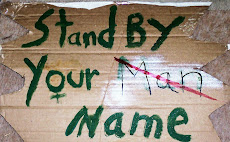
Friday, December 21, 2012

Don't Protect Me This Way by Michal Wasser, Gaza envelope resident

As promised, here’s my translation of the Michál Wasser piece אל תגנו עלינו, לא ככה that appeared in Haaretz on November 15, 2012, during Pillar of Smoke. Wasser, a resident of Kfar Aza, teaches at Sha’ár haNègev School.
Don’t do us Gaza envelope residents any favors
First things first: Don’t protect me like this, please. Not this way.
Here I sit in my security room in Kfar Aza, listening to the explosions from the war-to-end-all-wars going on outside. I still can’t distinguish between “our” explosions and “theirs”; the kids are better at it than I. After all, their “musical ear” has been honed from an early age, so that they can tell the difference between artillery fire and a missile fired from a helicopter; between mortar fire and a Qassam. Blessed are they.
Is this what “defending the home front” looks like? I don’t get it: Did our leaders sleep through history class? Or perhaps they were fed the MaPa’i [party-line Labor] curriculum, or the [hawkish Minister of Education] Gid’on Sa’ar curriculum — unfortunately there’s hardly a difference between the two — and therefore misinterpret the word “defense”. Does protecting the citizenry mean Armageddon every few years? Has no politician ever heard of long-term planning?
Those who wish to defend me, listen up: Don’t send us the IDF in order to “win”. Start thinking long term, and not just ‘til the next election. Negotiate until we see white smoke. Extend a hand to Mahmoud Abbas. Stop the targeted assassinations. Look the other side’s civilians in the eye.
I know that most of the public will accuse me of being a bleeding heart. But I’m the one sitting here while mortars fall outside my window — not Sa’ar, not Benyamin Netanyahu, and not even Shelly Yachimovich and Yair Lapìd. I’m the one who chose to raise her children here, even though I have other options.
Go ahead and accuse me of not being patriotic, of being namby-pamby, but I can’t be accused of hypocrisy: My children served in combat units in addition to a voluntary pre-army year of community service. We live here and love our country. Our war is a war for its integrity, not its borders. It’s a war for our country’s democratic character and for the dignity of its citizens. It’s a war for sanity. So please: Stop killing civilians on the other side of that fence “in order to defend my life”.
If you really want to halt the hostility from the other side, open your ears and start listening: If we’re important to you, stop defending us with missiles and “preemptive killings” and “aerial softening”. Instead of Operation Pillar of Smoke, conduct Operation Hope for the Future. Sure: It’s more complex, requires more patience, and is less popular. But it’s the only way out.

Thursday, December 13, 2012

Turn off the teat סגרו את הברז

After a hiatus, I’m back with three quickie news items, all related to — what else? — religious coercion. We’ll take it in chronological order:
First off is convoluted. Ready? So a court ruled that [the bus company] Egged may not comply with advertising agency Cnaan’s complying with the ultra-Orthodox demand not to feature humans of any gender on bus ads. There. Did I get that right? Well, I have to correct myself: The ultra-Orthodox didn’t actually demand it, but they demanded that no images of women be used, so Cnaan came up with the solution of no humans of either gender being used.
Now, while I certainly don’t have a problem with humans of either gender being shown in ads (barring the ones that use sex to sell, of course), I do believe that Cnaan’s solution is fine, and fair, and violates no one’s rights. So we’ll be like the Muslims, i.e., no human forms, no one to offend, or as a great prophet of our generation sang, "No woman, no cry".
But no: Enter Yerushalmim [Jerusalemites], an organization that opposes women being excluded from the public sphere, who insist that they’ll fight this thing until ads featuring women are back. But why? I believe they’re barking up the wrong tree, which I’ll get back to later. Meanwhile, let’s move along:
Now, finally, after only six-plus decades of rabbinic tyranny, restaurant owners are opting out of kashrut licenses, while adhering to the laws of kashrut voluntarily. It’s called “kosher by conscience”. Just one little problem: The kashrut inspectors are threatening to haul such establishments into court for false advertising.
Five Jerusalem eateries are fighting back by taking the city’s rabbinate to court after being fined for daring to call themselves kosher without having paid the kashrut inspection fee, which is really nothing but blackmail. So along with Avigayil Aharon in Tiberias, make a point of patronizing these brave businesses: Adón Cohen in Talpiót; Café Carousela in Rehávia; Salón Shabazi in Nachlaót; Ichikidana in Machanè Yehuda, and Topolino in Óhel Moshè.
Now that we have that taken care of, here’s the icing on the cake: Top ultra-Orthodox rabbis urge followers to dodge draft. OK, now I’m mad. These guys are blatantly thumbing their noses at the state while taking the state’s money (i.e., our taxes) in the form of child allowances that allow them to remain in a permanent state of unemployment, otherwise known as Our Lady of the Perpetual Torah "Scholar".

As I told my brave friend, Rabbi Susan Silverman, who while arguing with an ultra-Orthodox woman asked her, "Do your children serve in the IDF? Because mine do", that's just a smokescreen for the real issue. In fact, the IDF should be removed from the equation, as Israel is already way too military-oriented, the army being the yardstick by which we measure everything.

Rather, the question should be: What are your children being trained to do? Because mine and my friends' will be training to heal your loved ones when they're ill, design and build your homes, distribute your consumer goods, extinguish your fires, run your government agencies (the ones that give you your stipends)...and so forth. I don't care how you run your life, but don't do it on my dime. For God's sake, get off the public teat! Can we Jews [and others] who grew up in the US imagine our taxes going to fund some evangelical perpetual prayer ministry?
And it is there, my friends, where Yerushalmim’s energies should be aimed, along with those of The Rest Of Us, as it’s only owing to the fact that the ultra-Orthodox are attached to the state teat that they feel so comfortable vandalizing bus stops bearing advertising featuring women. This situation is beyond warped; it’s deranged. We have got to elect legislators that will TURN OFF THE FAUCET. And you know I don’t go into all caps lightly. A Happy Hanuka to all.

Thursday, November 1, 2012

Hurray for Harìsh יחי חריש

Don’t know whether it’s my Kansas City upbringing, but residential real estate fascinates me. Thus was I pleasantly surprised to read of two non-Orthodox Harìsh residents recruiting more of their ilk to buy homes there. Hemi Bar-Or and Noam Hillel are to be applauded, not just for their tireless efforts in the business sphere, but for doing what I’ve been advocating for years: Instead of whiny, lame demonstrations and hand-wringing meetings in homes, Bar-Or and Hillel took their lemons and made lemonade. They grabbed the reins, jumped through a narrow window of opportunity and turned the tables (enough metaphors for you?) to their advantage.
In 2008, they perused Harish’s town plans, which suddenly showed separate boys’ and girls’ schools and mikves [ritual baths]. Uh-oh. They said, “We knew that telling planning committees that we opposed the plans wouldn't do anything…” Instead, they exploited the terms aimed at attracting ultra-Orthodox for their own aims: “Harish has been declared a priority zone. There's no minimum land price, and the development cost is being subsidized - ₪ 70,000 per housing unit. There's an exemption from local authority fees, and those eligible can get a ₪ 50,000 grant."
In 2011, Bar-Or and Hillel went to court on behalf of the residents, claiming discrimination on the part of the Housing Ministry in favor of ultra-Orthodox buyers. In the end the Housing Ministry committed to open sales to all, and in the ensuing year, Bar-Or and Hillel have dedicated themselves to recruiting non-Orthodox buyers. Their strategy has paid off in the form of hundreds lining up to sign on.
Harish’s story will be an interesting one to follow. Bar-Or’s and Hillel’s work isn’t done, and it’s possible it never will be: The ultra-Orthodox population is outpacing everyone, so that non-Orthodox activists can’t rest on their laurels. However, while the numbers are in the ultra-Orthodox favor, if the non-Orthodox follow Bar-Or and Hillel’s example and use our yiddische kups the way God meant us to, we just might be able give our children a country of the type Herzl dreamed of.

Tuesday, October 2, 2012

!Don't Change That Name אל תשני את שמך!

מפני שחשוב לי מאוד שכמה שיותר דוברות עברית (ובנותיהן) יקראו את הפרסום הנוכחי, הוא תורגם לעברית, שמופיעה מיד לאחר האנגלית:
When Carolyn Hax published this September 26th column on married surnames, I could’ve told her not to be surprised at the 1,362 comments, even though the query was actually whether it would be OK to ask a friend why she’s taking her husband’s surname. While the ‘nuts (as we Hax groupies refer to ourselves) were overwhelmingly of the MYOB school as far as the specific query, anyone who naively believed that things would end there was, well, naïve. How could this not spark a discussion / debate on the taking or not taking one’s (invariably male) partner’s name, and corrolarily, on how to surname one’s offspring? It was inevitable. After submitting about 35 comments, to the eyerolling of most of the Hax commenting community, I realized that the column was actually ripe fodder for a blog post. The format will be various arguments in red, and a rebuttal — either my own or one of the nuts’ — in black. Here goes:
"Feminism is all about choices. It’s no one’s business but the individual woman concerned. Women should be supporting each others’ choices, not judging.”
I just cannot support anyone, man or woman, choosing patriarchy. And to choose patriarchy and call it feminist, while I certainly can’t stop you from doing so, and I’m no logician or philosopher, there’s got to be a tautology or some sort of fallacy there. While one result of feminism is that women now have options that we didn’t have previously, using those options in order to perpetuate patriarchy, or patriarchal practices, would certainly seem inconsistent with feminism.
As for women supporting each others’ choices, I can’t get behind it. To the disappointment of many, I do not consider myself a sister of every woman simply because we have body parts in common. Just as I do not support the acts of Sholom Rubashkin simply because he’s a fellow Jew (not only did he violate the law but he did so engaging in acts that oppose the spirit of Jewish law, if not the letter), I don’t support choices made by women that ultimately stymie womankind just because those choices were made by a woman.
How does a woman taking her husband’s surname stymie the effort of gender parity? Or conversely, how does a woman retaining her surname further gender parity (which is feminism in a nutshell)? In two ways: Firstly, every time a woman retains her birth surname, she erodes the societal convention, thereby smoothing the path for successive women to do so, until ultimately neither men nor women, will be inhibited about women retaining their names. Secondly, you’re making a statement to the next generation, commensurately breaking down barriers and assumptions for them. Looked at this way, it’s not “just” a personal decision, but rather an inherently political one.
"I have brothers / cousins that will carry on my family name."
Not necessarily. You're assuming that 1) they’ll have kids, and 2) any kids they have will bear their surnames. No longer always the case.
"I’m not that attached to my surname.”
Do men ever think about how attached or unattached they are to their surnames? That's another clue that this is a bigger issue than just what you choose and what I choose.
“I took my husband’s name because my birth name is cumbersome / constantly mispronouced / misspelled and my husband’s is short and easy to pronounce.”
Supposing the opposite had been true, i.e., your husband’s surname was cumbersome or annoying. The “my last name is a pain” excuse is just that: an excuse. If your name’s a pain, change it on your own, unrelated to marriage. Why should it take a man to motivate you to change your name?
“It’ll be a pain to have to correct people the rest of my life when they call me Mrs. [Husband'sName]."
The more women retain their names, the more used to it everyone one gets, and the less correcting we have to do. Think of women physicians back when they were outliers: They probably had everyone assuming that "Dr. Plony" was going to be male, and patients were taken aback when Dr. Plony entered the examining room or ER and…wasn’t male. Nowadays? All gone.
“[Some authority, i.e., school, airline] won’t believe I’m married / I’m my kid’s mom.”
This was responded to by AquaGirl, a Hax ‘nut who presumably retained her name: “Time I have spent having to prove I am (was) married: 0 minutes. Extra time I have spent ‘proving’ I am my son's mom: zero minutes. Time I have spent dismantling this straw man: 20 seconds.”
"All members of an immediate family (husband, wife, children) having the same last name identify to society that they are a family; so that when you know one party's last name, you can deduce the names of the other parties."
Please. Even if a household starts off this way (along with the white picket fence), how many end up that way? Stuff happens: People die, divorce, remarry… like the white picket fence, the traditional nuclear family is not only a societal construct, it’s not even the case statistically (and never was). What about non-custodial children sharing an address with one now-remarried parent? Trying for that uniform surname for all members of a household gets to be like herding cats; or to go with another metaphor, it’s a Holy Grail: Questionable whether it ever existed, yet it’s held up as the ultimate attainment.
As for deducing the other parties' names from that of one party? Here’s a more realistic idea: Just assume that you can't assume, or that we'll all make a few mistakes. And the earth will continue spinning on its axis...
Lastly, kJanes, another ‘nut tells it like it is: ”You know why people think that women change their last name out of submission? Because we never hear about men changing theirs. How is it possible that only women have names that are hard to pronounce, hard to spell, a pain to write? That's always the story we hear, isn't it? So men never have last names they don't like? Really?
Take for example [how we] dress: While it's acceptable for women to wear men's clothing (because men occupy a higher status in society, so it's a step up for women to dress as men), it's not OK for men to wear women's clothing because it's derogatory to dress/act ‘as a woman’. Why is calling a man ‘feminine’ the worst insult one man can bestow upon another?
Think about language: How many derogatory words can you think of for a strong-willed or powerful woman (words that Hillary Clinton is routinely called)? Are there an equal number of derogatory words for a strong man? What about words used to call women promiscuous? Are there equal numbers of derogatory words used to call men promiscuous?
Many cues in our society are subtle indications of women's lesser status. If we really want equality, these subtle differences between the genders need to be eliminated. I don't think anyone is denying that many double standards live on. What I'm saying is that some of the double standards are blatant or explicit, and some subtle, or implicit. Language has an impact on how we think, even if subconsciously. So, in the larger scheme of things, the language we use is one of the most important hills we need to conquer.”
Back to me: And as names are part of our language — our communication with one another — we need to eliminate women taking men’s names, thereby communicating gender parity. So, sisters, I’ll see you on the other side of that broom / chuppah / altar — rarin’ to go into coupled life — with your present names!
משפרסמה קרולין האקס ב-26 בספטמבר את הטור שלה על שמות המשפחה של זוגות נשואים, יכולתי להזהיר אותה שלא תופתע מ-1,362 התגוביות, למרות שהשאילתא היתה בעצם אם מותר לשאול חברה מדוע היא מקבלת על עצמה את שם המשפחה של בעלה. בעוד ש"המטורללות" (כפי שאנו, חסידותיה של האקס, מכנות את עצמנו) היינו, רובנו ככולנו, מאסכולת ה"זה לא עסקך" בנוגע לשאילתא הפרטנית, מי שהאמין בתמימותו שהעניין יסתיים בכך היה, נו?...תמים. איך אפשר היה להימנע מדיון / ויכוח לגבי קבלת או אי-קבלת שם המשפחה של השותף (הגבר, מן הסתם), וכתוצאה מכך, מה יהיה שם המשפחה של הצאצאים? זה היה בלתי-נמנע. אחרי שהעליתי כ-35 תגוביות, מול העיניים המתגלגלות-בחוריהן של קהיליית הטוקבקיסטים של האקס, נפל לי האסימון שהטור הנ"ל הוא חומר בשל לפרסום בבלוג שלי. המתכונת תהיה מורכבת מטיעונים שונים באדום, וסתירתם – אם במילותיי שלי או של אחת "המטורללות" – באותיות שחורות. אז קדימה:


"פמיניזם נועד לאפשר בחירה. זה לא העסק של אף אחד מלבד האשה האמורה. נשים צריכות לתמוך בבחירות של עמיתותיהן ולא לשפוט אותן."

אני פשוט לא יכולה לתמוך בשום אדם, גבר או אישה, הבוחר בפטריארכיה. וכשמישהי בוחרת בפטריארכיה וקוראת לעצמה פמיניסטית, כמובן שאני לא יכולה לעצור בעדה, וגם איני מומחית בלוגיקה או פסיכולוגית, אולם יש פה איזושהי טאוטולוגיה או סברת-טעות. אמנם אחת התוצאות של הפמיניזם היא שיש עכשיו לנשים אופציות שלא היו לנו בעבר, אך לנצל את האופציות הללו להנצחת הפטריארכיה או המנהגים הפטריארכיים, ממש לא יכול להיחשב לתואם-פמיניזם.

אשר לטיעון שנשים צריכות לתמוך בבחירות של עמיתותיהן, גם עליו אני לא יכולה לסמוך את ידיי. לאכזבתן של רבות, אני לא רואה את עצמי כאחות של כל אישה פשוט משום שיש לנו אברי גוף זהים. ממש כפי שאינני יכולה לתמוך במעשיו של שלום רובשקין רק משום שהוא יהודי כמוני (הוא לא רק הפר את החוק, אלא שמעשיו היו גם מנוגדים לרוחה של ההלכה היהודית, אם לא ללשונה), אני לא תומכת בבחירות של נשים שבסופו של דבר יעמידו מכשולים בדרכו של המין הנשי רק משום שאישה בחרה בהן.

כיצד מעמידה אישה המקבלת על עצמה את שם המשפחה של בן-זוגה מכשולים בפני המאמצים להשגת שוויון מגדרי? או להיפך, כיצד מקדמת אישה המשמרת את שם נעוריה את השוויון המגדרי (שהוא מהות הפמיניזם)? בשני אופנים: ראשית, בכל פעם שאישה משמרת את שם המשפחה שעימו נולדה, היא שוחקת את המוסכמה החברתית ובכך מפלסת את דרכן של נשים נוספות לעשות כך, עד שגם לגברים וגם לנשים לא יפריע שנשים משמרות את שמן. שנית, זו בעצם הצהרה המיועדת לדורות הבאים ומסייעת להסרת חסמים והנחות-יסוד עבורם. יש לראות את ההחלטה הזו לא "רק" כאישית, אלא גם כבעלת משמעות פוליטית.

"יש לי אח / בן דוד שיישא את שם המשפחה שלי."

לא בהכרח. את יוצאת מתוך הנחה ש1) יהיו לו ילדים; ו2) אם יהיו לו ילדים, הם יישאו את שמות המשפחה שלהם. כיום זה כבר לא מובן מאליו.

"אני לא כ"כ מחוברת לשם המשפחה שלי".

האם גברים אי-פעם חושבים בכלל עד כמה הם מחוברים או לא מחוברים לשם המשפחה שלהם? זהו עוד סימן לכך שמדובר פה בסוגיה עמוקה יותר מסתם שאלה של מה אני בוחרת או לא בוחרת.

"קבלתי על עצמי את שם המשפחה של בעלי כי שם נעוריי הוא מגושם / אנשים תמיד שוגים בהיגויו או באיותו, ואילו שמו של בעלי קצר וקל להיגוי.”

נניח שהמצב היה הפוך, כלומר ששם המשפחה של בן-זוגך היה מגושם או לא נוח לשימוש. התירוץ של "השם שלי מעצבן" כשמו כן הוא: תירוץ ותו-לא. אם השם שלך מעצבן, שני אותו בעצמך, ללא קשר לנישואים. למה יש צורך בגבר כדי להניע אותך לשנות את שמך?

"זה יהיה מעצבן לתקן אנשים עד אחרית ימיי כל פעם שהם יקראו לי גברת [שם הבעל]".

ככל שירבה מספר הנשים המשמרות את שמן, הצבור יתרגל לכך יותר ויותר, ויהיה פחות צורך בתיקונים. חשבי על הרופאות שפעם היו תופעה יוצאת מן הכלל: מן הסתם כולם הניחו ש"ד"ר פלוני" היה רופא, והמטופלים השתנקו כשד"ר פלוני נכנסה במלוא הדרה לחדר הבדיקות או לחדר המיון. ואילו כיום? היא מתקבלת כמובנת מאליה.

"[בגוף מסויים, למשל בבי"ס או בחברת תעופה] לא יאמינו שאני נשואה / שאני האמא של ילדיי".

AquaGirl, "מטורללת של האקס" שמן הסתם שימרה את שמה, הגיבה לכך: "הזמן שבזבזתי כי הייתי חייבת להוכיח שאני (הייתי) נשואה: 0 דקות. הזמן הנוסף שהקדשתי "להוכיח" שאני האמא של בני: אפס דקות. הזמן שלקח לי לפרק את איש-הקש הזה: 20 שניות."

"כשלכל בני המשפחה הגרעינית (בעל, אישה, ילדים) יש אותו שם משפחה, החברה מזהה אותם כמשפחה; וכך כשיודעים מה שם המשפחה של אחד מהם, אפשר לדעת גם את שם המשפחה של כולם".

נו, באמת. אפילו אם בית-משפחה מתחיל כך (כולל גדר הכלונסאות הלבנה המיתולוגית), כמה מהם ממשיכים כך לעד? דברים מתרחשים: אנשים מתים, מתגרשים, נישאים מחדש... כמו גדר הכלונסאות הלבנה, כך גם המשפחה הגרעינית אינה רק המצאה מבנית של החברה, אלא שגם מבחינה סטטיסטית זו אינה המציאות (ומעולם לא היתה). מה לגבי ילדים שאינם תחת משמורת והחולקים עתה כתובת אחת עם אחד מההורים שנישא מחדש? הנסיון להשיג שם משפחה אחיד לכל בני בית-משפחה הופך בהדרגה למשימה בלתי-אפשרית; או, אם לעשות שימוש במטאפורה: כמוהו כ"גביע הקדוש" – ספק אם בכלל היה קיים מלכתחילה, ובכל זאת הוא מהווה מטרה נעלה להשגה.

ואשר ליכולת לדעת את שם המשפחה של כל בני בית-המשפחה באמצעות שמו של אחד מהם? הנה רעיון יותר ריאלי: פשוט יש להניח שאי אפשר להניח, או שכולנו נעשה כמה טעויות, ובכל זאת נוע תנוע הארץ סביב צירה...

ולסיכום נביא את טיעוניה של kJanes, אחת "המטורללות", האומרת דברים כהווייתם: "אתם יודעים למה אנשים חושבים שנשים משנות את שמן מתוך הכנעה? כי אנחנו אף פעם לא שומעים על גברים המשנים את שמם. כיצד יתכן שרק לנשים יש שמות שקשה להגות, קשה לאיית, מעצבן לכתוב? זה תמיד הסיפור שאנחנו שומעים, לא? אז לגברים אף פעם אין שמות שהם לא אוהבים? באמת?

"קחו לדוגמא את נושא הלבוש: בעוד שמקובל שנשים תלבשנה בגדי גברים (שהרי לגברים מעמד גבוה יותר בחברה, ולפיכך להתלבש כמוהם מהווה קידום מבחינת הנשים), זה לא הדדי, כי מבחינת הגברים, להתלבש / להתנהג כנשים זו השפלה. מדוע להגיד על גבר שהוא "נשי" זה העלבון החמור ביותר שניתן להטיח בו?

חישבו על המילים בשפה: על כמה כינויים מזלזלים המתייחסים לנשים בעלות עוצמה או רצון חזק (מסוג המילים המוטחות דרך שגרה בהילארי קלינטון) תוכלו לחשוב? האם ישנו מספר דומה של כינויים מזלזלים המתייחסים לגבר חזק? ומה לגבי כינויים המתייחסים לנשים מתירניות? האם ישנו מספר דומה של כינויים מזלזלים המתייחסים לגבר מתירני?

"קיימות דקויות רבות בחברה שלנו המרמזות על מעמדן הפחות של הנשים. אם אנו באמת שואפות לשוויון, יש לחסל את ההבדלים הדקים הנ"ל. אני לא חושבת שמישהו מתכחש לכך שהרבה סטנדרטים כפולים ממשיכים להתקיים. מה שאני אומרת הוא שכמה מאותם סטנדרטים כפולים הם בולטים בגסותם ומפורשים, ואילו אחרים הם דקים ומשתמעים. לשפה יש השפעה, אפילו אם רק בתת-מודע, על האופן בו אנו חושבים. ולכן, בגדול, השפה שבה אנו משתמשות היא אחד המבצרים החשובים ביותר שעלינו לכבוש."

ובחזרה אלי: ומכיוון ששמות הם חלק מהשפה – דהיינו, התקשורת ביננו – חובה עלינו לחסל את התופעה של נשים המקבלות עליהן את שמו של בן-זוגן, ובכך משדרות אי-שוויון מגדרי. אם כך, אחיותיי, להתראות בצד השני של המטאטא / החופה / שולחן לחם הקודש – כשאתן מוכנות ומזומנות לקפוץ אל חיי הזוגיות – עם שמותיכן העכשוויים!

תרגם באדיבות: עמי ארגמן

Sunday, September 16, 2012

PC language and taking offense שפה תקנית ופגיעה

When I see an article criticizing political correctness, I anticipate reading defensive bunk claiming that words are just words, so why can’t everyone just calm down? worthy of Archie Bunker. This piece by Amaliah Rosenblum is an exception.

While Rosenblum concedes that language does shape our realities, she initially argues, “If I choose to refer to my husband as ‘my partner,’ in so doing, I am not improving my status in the eyes of the law and the Rabbinate.” Um, yes you are. Not in each individual instance of uttering the words “my partner” when referring to your spouse, but in the “critical mass” that slowly forms, which is comprised of each instance of its use by each one of us. Every time you useבן זוגי ben zugì [“my partner” in Hebrew] or ishì [“my man”], it validates my using it. Every time I use it, it lowers the inhibitions of some other woman who chokes on it. I assert that the more it’s used, heard, uttered, written, and read, the less we’ll all choke and the more ordinary it will become, until hopefully it ultimately replaces ba’alì [literally “my master”]. This is the trajectory of all PC language.

Rosenblum states, “Sticking to the embellished term ‘my partner’ is likely to serve my desire to repress the major problems with the institution of marriage in Israel while weakening my ability to oppose it.” Huh? How so? And why is the term embellished? Did she mean “pretentious”, perhaps? What could be more down-to-earth than the simple and direct “my partner”? As opposed to, say referring to handicapped individuals as “differently abled” [ducking]?

Yet it is in Rosenblum’s final paragraph that we reach her quite intelligent distillation of democracy: “The price of living in a democracy is that all kinds of idiots with poor taste have the right to say repulsive things about us. That's part of the deal.” This was exactly the argument put forward by Jyllands-Posten editor Flemming Rose when criticized for commissioning a series of cartoons of Muhammad that “offended” Muslims. How much weight are we required to give to that “offense”, as opposed to that caused by downright incitement, a la Beitar fans’ chants of “Death to the Arabs”? Or to the “offense” “felt by” the ultra-Orthodox at the sight of Naama Margolese walking to school, all her proto-sexual parts (and more) duly covered? I believe the answer lies in something my friend Rabbi Susan Silverman once said to me, which she lives by: “You can choose to be offended. Or not to be.”

I beg to expand thereupon: We can react to offense in one of three ways: 1) Let it go; 2) Protest vigorously, yet non-violently; 3) Blow up the embassies of the countries from whence the offense emanated. Which response will garner more sympathy? Which will move humankind forward? This excellent piece by Fouad Ajami addresses precisely these issues.

Do I believe the offense taken by the African-American community over the slaying of Trayvon Martin is a mis-reaction? I do. But to their credit, they organized Hundred Hoodie Marches in protest; they didn’t blow up buses. Ditto for the members of the CHaBaD community who protested the guilty verdict in the Aharon Rubashkin case: While I vehemently disagree with their offense thereat and their claims of anti-Semitism, at least they didn’t rampage through Brooklyn overturning dumpsters or spitting on “immodestly dressed” women.

So I suppose you could say that my New Year’s wish is to see more Hundred Hoodie Marches and fewer (ideally no) bombings. Doesn’t seem too much to ask, does it?

Monday, September 10, 2012

Can we believe what we hear about the ultra-Orthodox? האם נוכל להאמין את המחזים על החרדים

I’m reacting strongly to the powerful film My Father, My Lord [Hebrew: חופשת קיץ Hofshát Káits] for which I wrote the plot synopsis. In the film, just as the family is about to board the vehicle to go on the vacation to which the Hebrew title refers, one of Rabbi Eidelman’s followers comes running, enjoining him to come quickly to the site of a pigeon nesting on the windowsill of his son’s school. The reference is to Deuteronomy 22:6-7, which states that if you should happen upon a (kosher) bird’s nest while out and about, and you decide that you must have the eggs or the hatchlings for your own consumption, you may take these after shooing the mother bird away, far enough to where she cannot see you collecting her young. According to the Mishna, one who performs this commandment is assured longevity. As we might imagine, the “opportunity” to perform this commandment is unlikely to ever arise even once in a lifetime in the urban milieu that most Jews inhabit.

In the above-named film, the rabbi responds immediately: His follower leads him to the site of the nest, and presumably excited at the rare opportunity to perform this arcane commandment, he duly shoos the mother bird therefrom, leaving behind two hatchlings, which he does not take with him, but rather leaves there, presumably to starve. He then chants a prayer of praise, not unlike a kid who gleefully squashes a bug because someone in authority says it’s OK. When his young son, who has been observing the nest from his classroom for days, asks him disturbing questions about the fate of the hatchlings, he brushes off the boy’s feelings and grandstands about the privilege of having merited performance of this commandment.

Now, every time someone critiques the ultra-Orthodox based on a movie or book, the critic is immediately attacked for “judging an entire community / lifestyle based on a movie / book / play". But let’s deconstruct this argument: First of all, the definition of a story is that the plot must contain a conflict. This I learned in junior high. The oldest plot conflicts center around forced marriage a la A Fiddler on the Roof, or forbidden love a la Romeo and Juliet. Necessarily, any plotline in a story about a closed, traditional community is bound to be about individual desires versus compliance with community norms. So it shouldn’t surprise us that literature about the ultra-Orthodox community invariably contains this element.

I also believe that it’s legitimate to get my information about the ultra-Orthodox community from books, movies, films, and plays, many of whose authors and screenwriters come from within the community, including authors Shalom Auslander, Yochi Brandt, Naomi Ragen; film directors David Volach, Rama Burshtein, Haim Tabakman, and Amós Gitái; and playwright Amnon Levy, whether having left the community or still a part of it. Can I not assume that they have an interest in depicting the community accurately to outsiders?

As an analogy, take the example of cop shows. Even having never been present at an arrest or in a courtroom, I know about the reading of Miranda rights and courtroom protocol. While the thrilling car chases and unlikely plot twists are obviously the products of some screenwriter’s imagination, as are the personalities of the characters, the “frame” with all its details reflects reality — even the unseemly parts such as organized crime, drug dealing, and human trafficking. In the same way, I believe that we can believe the “frames” of plots concerning the ultra-Orthodox, as it is these very strictures and taboos that set the plots in motion.

Look, as I’ve written before, as increasingly turned off as I am by this community, it’s really their business. Even if all the mother pigeons in Israel were simultaneously shooed off their nests tomorrow, it likely would not upset any balance, either ecological or cosmic. So no, they’re not hurting anyone…as long as they fund their lifestyle on their own steam. Once my tax money is involved, then yes, I do have right of critique.

Thursday, September 6, 2012

Why the Duggars give me the willies משפחת דאגר: למה היא מפחידה אותי

Five Things That Bother Me About the Duggars:

[For those readers unfamiliar with them, hover your mouse over Michelle Duggar's name in the box to the left of this post]

1. The parents don't own up to setting rules or forbidding things. They couch their rules in language that calls them "personal commitments / beliefs [of ours]". I believe that this is a deliberate attempt to make their lifestyle palatable to The Rest Of Us: We recoil at rules forbidding what for us is acceptable; but we can't argue against personal beliefs or commitments.

2. The bumper sticker allegedly on their car: "Evolution is a lie / Save America please" [By the way, I looked for these online and couldn’t find a single one, not even in the nuttiest of wing-nut merch sites]. Why just America? Evolution is (or is not, in their belief system) a global concept. Ergo, why should rebutting it save only America? What's holy about America, that only it deserves saving from heathen beliefs? What about the rest of the world?

3. Christian mail - It’s hard for me to willingly find links for this post, because in my naivete, I actually wrote the Duggars a letter and ever since have been deluged with Christian spam. After months of spam cleanup efforts, and getting it down to just a few mails a week, I visited the Duggar blog and when I checked my mail afterwards, there they were, smiling out at me from my Inbox: mails from half a dozen “different” fundy Christian groups that all come from the same source. Here I go again…Help! I’m drowning in Jesus!

4. The children’s education - Firstly, I want to say that I’m not anti-homeschooling, and there are definite advantages thereto, a big one being that the family is not tied to the schoolday or school calendar. Kid wakes up with an earache or tummyache? No missed work or attendance to worry about, just take care of your kid. Out-of-town mid-week event you want to attend? No problem. Feel like visiting a destination when it’s cheapest? Go right ahead and make your reservation. It must actually be quite liberating. Looked at from this angle, it’s not hard for me to believe that a homeschooling parent of 19 could indeed spend individual time with each kid daily, a fact that I couldn’t even take for granted when my “mere” three were living at home.

But the older children study law? And medicine? Huh? Wouldn’t studying medicine ultimately lead to discussions of, uh, human biology and cells and, uh…evolution? Unless what’s being referred to is folk medicine…? Or folk law? Is there such a thing as folk law?

5. The graduates are “studying under professionals”? What professionals? What licensed nurse or nurse midwife would or could ethically give them instruction? Just because one is a practitioner of the healing arts does not authorize them to teach them, and certainly not to non-enrollees of an accredited program. What’s going on here? Well Michelle explains [why cannot Jana speak for herself?] that Jana’s been assisting a doula, who by definition is herself an assistant. So the way I read it, Jana is apprenticing-to-an-assistant-to-a-midwife. That’s one crowded delivery room, at least three of the occupants of which are non-medical practitioners. What birthing mom would agree to that?

OK, five’s all I’ve got; I’ll gladly add more if anyone has contributions, but this is enough to give me the creeps for now.